




Wooden blocks spelling 'FAIL' casting a dramatic shadow against a brown background in a studio setup.

Why Do New Startups or Businesses Fail?​

Starting a business is exciting, but many new startups fail within the first few years—not because founders lack passion, but because of common and avoidable challenges. Understanding these reasons early can help entrepreneurs prepare better and build stronger businesses.


Lack of Market Need
No Viable Idea
Unrealistic Idea

Lack of Funds
Repayment of Debt
Overburden of Interests

Poor Financial Planning
Cash Flow Issues
Over Expenses

Leadership Conflicts
Unskilled Team
Salary Burden

No Clear Business Model
No Proper Pricing
No Continuous Income

No Proper Execution
Unwanted Expenses
Mismanagement

Regulatory Challenges
Complex Compliances
High Professional Fees

Limited Mentorships
No Business Guidance
No Ecosystem Support

Lack of innovation
Technology advancement
No Adaptibility

Weak Marketing
No Proper Branding
Product Unawareness

Social Challenges
Family Pressure for Survival
Personal Daily Expenses

High Cost of Equipments
Regular Cost of Premises
No Proper Customer Service

Indian Startup Failure Statistics

High overall failure rate:
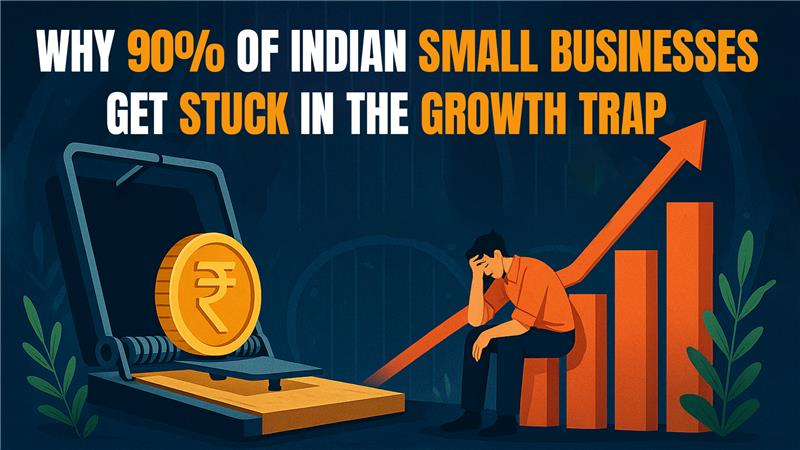
• Around 90% of Indian startups fail within five years of launch — a figure repeatedly cited in ecosystem analyses and founder surveys.(LinkedIn)

Year-by-year attrition:
About 20% of startups fail in their first year due to issues like lack of market validation or funding challenges.
30–40% fail by the end of year two.
70–90% fail before five years, often due to cash constraints, product-market fit issues, and scaling problems.(LinkedIn)

Recent closures (2023–2025):
• In 2023, 15,921 Indian startups closed operations.
• In 2024, around 12,717 closed.
• In 2025 alone, over 11,000 startups have shut down as of recent data — showing continuing ecosystem volatility.(LinkedIn)
– This points to roughly 37 startups closing every day in 2025 if closure trends continue.(LinkedIn)


Government-recorded closures:
• As of October 2025, 6,385 DPIIT-recognized startups were officially listed as closed (dissolved/struck off) per government records.(The Economic Times)

Survival context:
• Only about 10–20% of startups remain operational after five years, with even smaller numbers making it past a decade.(LinkedIn)



 

1. Lack of Market Demand

Many startups fail because they build products or services that customers don’t actually need. Without proper market research and validation, even a great idea can struggle to find buyers.

2. Poor Planning & Execution

An unclear business model, weak strategy, or poor execution often leads to failure. Startups need clear goals, a realistic roadmap, and disciplined implementation to survive early stages.

3. Insufficient Funding & Cash Flow Issues

Running out of money is one of the biggest reasons startups fail. Poor financial planning, delayed revenues, or high operational costs can quickly drain resources.

4. Weak Team or Co-Founder Conflicts

A startup is only as strong as its team. Skill gaps, lack of commitment, or disagreements between co-founders can slow progress and damage the business.

5. Inadequate Marketing & Sales

Many startups underestimate the importance of marketing and sales. Without customer acquisition, branding, and distribution strategies, even good products fail to generate revenue.

6. Lack of Mentorship & Guidance

Founders often make avoidable mistakes due to lack of experience. Without mentors or advisors, startups may struggle with decision-making, scaling, and risk management.

7. Failure to Adapt & Innovate

Markets, customer preferences, and technologies change rapidly. Startups that fail to adapt, pivot, or innovate often lose relevance.

8. Legal, Compliance & Operational Issues

Ignoring business registration, taxation, licenses, or compliance requirements can lead to penalties, shutdowns, or loss of credibility.

9. Poor Customer Experience

Ignoring customer feedback, delivering inconsistent quality, or failing to provide support can quickly lead to loss of trust and churn.

10. Burnout & Founder Fatigue

Long working hours, stress, and lack of work-life balance can impact decision-making and motivation, leading founders to quit too early.


How Yuvapreneurs Helps Startups Succeed

Yuvapreneurs addresses these challenges through structured mentorship, idea validation, founder networking, business setup support, funding readiness, and growth strategies—helping startups reduce risks and increase their chances of success.

Because startups don’t fail due to lack of ideas—they fail due to lack of the right support.

Unlock the Exclusive Offer of the Day

This will close in 0 seconds